
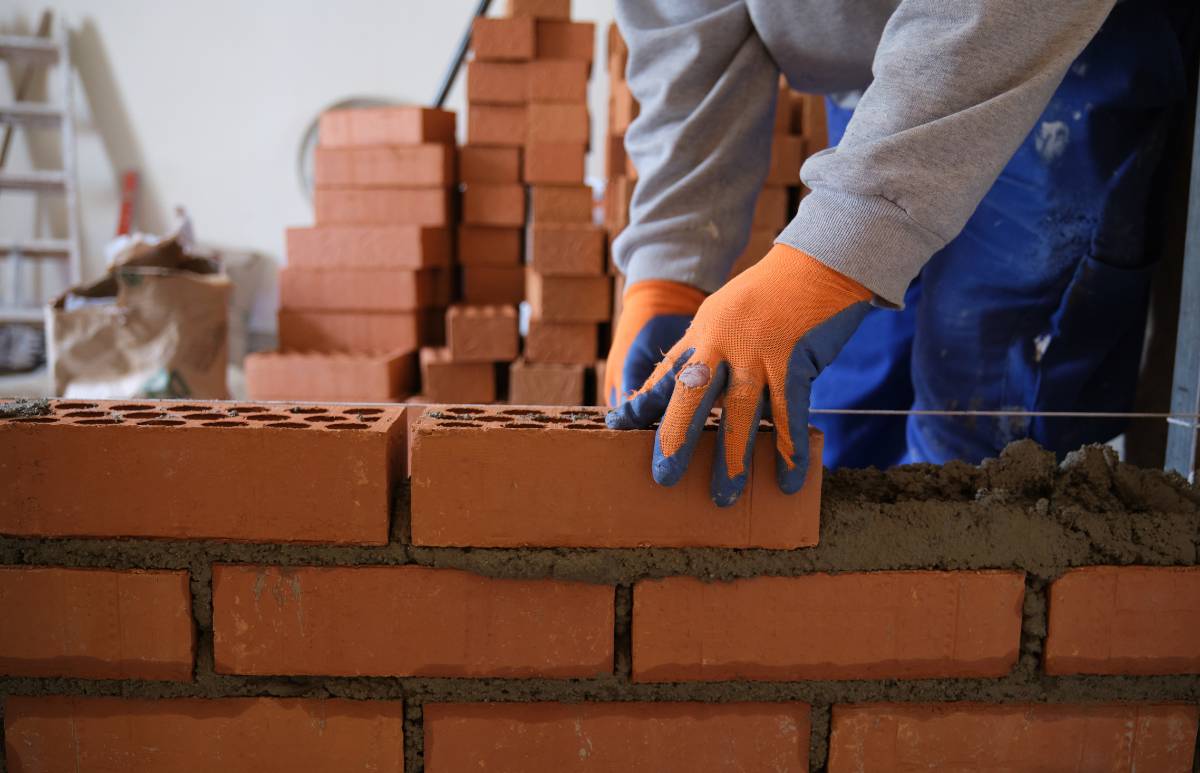
If you have spent any significant amount of time on a British construction site, you will know that there is a massive difference between being a pair of hands and being a recognised professional. Many people start out mixing muck or moving blocks, picking up the trade as they go. While that hands-on experience is invaluable, there comes a point where you hit a ceiling. You might be the best brickie in the gang, but without the right paperwork, you are often stuck with limited pay and restricted access to the biggest and best-run sites in the UK.
This is where the NVQ bricklaying level 2 comes into play. It is not just a piece of paper to hang on the wall; it is the industry-standard benchmark that proves you actually know what you are doing. It is the key that unlocks the Blue CSCS Skilled Worker Card, and in the current climate, that card is more important than ever. Most major contractors and housebuilders will not even let you through the gates without one, and if they do, you certainly won’t be earning the top-tier rates that a qualified bricklayer deserves.
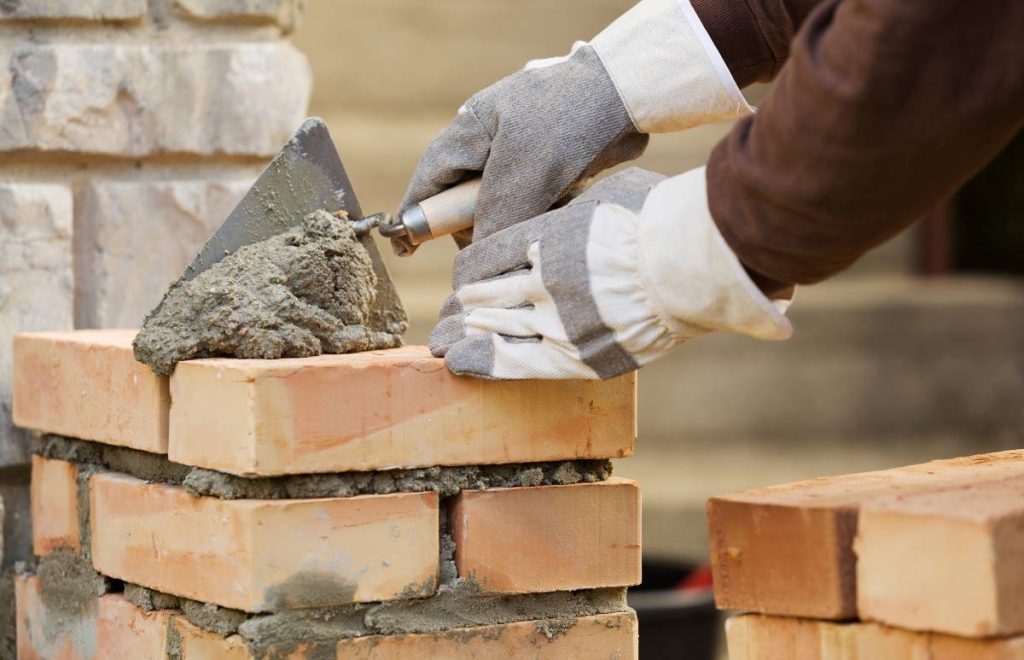
What the qualification actually looks like
One of the biggest misconceptions about getting an NVQ is that you have to head back to college and sit in a classroom for months on end. For a working adult who needs to earn a living, that simply isn’t realistic. Fortunately, the NVQ bricklaying level 2 is a work-based qualification. This means it is designed to be completed while you are on the job. It is an assessment of your competence, not a memory test for a written exam.
The process is built around proving that you can meet the National Occupational Standards. An assessor will typically visit you on-site to watch you work, take photos of your progress, and talk to you about why you are doing things a certain way. They aren’t there to trip you up; they are there to help you gather the evidence needed to show you are a competent bricklayer. You will also need to put together a portfolio of evidence, which includes things like witness testimonies from your supervisors and records of the work you have completed.
What you will be assessed on
The qualification covers the core essentials of the trade. It is designed to ensure you can handle the variety of tasks expected on a modern build. Some of the key areas include:
- Setting out regular structures and ensuring they are square and level.
- Constructing cavity walls using both brick and blockwork.
- Building solid walls and potentially working on decorative features.
- Health, safety, and welfare on a construction site.
- Moving, handling, and storing resources correctly to minimise waste and damage.
Why the Blue CSCS Card is the real goal
For most people, the primary motivation for completing an NVQ bricklaying level 2 is the Blue CSCS Card. If you are currently working on a Green Labourer Card or perhaps an expired temporary card, you are likely finding it harder to get onto Tier 1 sites. Safety regulations have tightened up significantly, and site managers are under pressure to ensure that everyone performing a trade is actually qualified to do so.
Having that Blue Card tells an employer several things instantly. It tells them you have reached a recognised level of competence, you understand site safety, and you are a professional who takes their career seriously. It also puts you in a much stronger position when it comes to negotiating your day rate or price work. Qualified bricklayers are in high demand across the UK, and being able to prove your status allows you to command the best wages in the industry.
The benefits of the On-Site Assessment and Training (OSAT) route
If you are already an experienced bricklayer but you just don’t have the qualification to prove it, the OSAT route is almost certainly the best way to go. It is specifically designed for people who have been in the trade for a while. Instead of learning how to lay a brick from scratch, you are simply demonstrating the skills you have used for years. This makes the process much faster and far less intrusive than traditional training programmes.
The flexibility of the OSAT route means you don’t have to lose money by taking time off work. You carry on as normal, and the assessment fits around your daily routine. It is a practical, common-sense approach to qualification that respects the experience you already have. Many people find that they can complete the entire process in a matter of months, depending on how quickly they can gather the necessary evidence and how often the assessor can visit.
What you need to get started
To begin your journey toward the NVQ bricklaying level 2, there are a few things you should have in place:
- You need to be currently working in the trade to allow for site-based assessments.
- You should have a basic understanding of health and safety requirements.
- You will need to have passed the relevant CITB Health, Safety and Environment test within the last two years.
- A willingness to document your work and communicate with your assessor.
How the qualification helps with long-term job security
The construction industry is famously cyclical. When times are good, there is work for everyone. However, when the market tightens, employers become much more selective. They will always keep the qualified, reliable tradespeople on their books while letting the unqualified labourers go first. By securing your NVQ bricklaying level 2, you are essentially future-proofing your career. You become a more valuable asset to any firm, and you have the credentials to move between different companies or even set up your own subcontracting business with more credibility.
Furthermore, this level 2 qualification is the foundation for further progression. If you ever want to move into site management, surveying, or become a master bricklayer, you will almost always need to have started with this core NVQ. It opens doors to Level 3 qualifications and beyond, allowing you to move away from the tools later in your career if you choose to. It is an investment in yourself that pays dividends for decades, not just the next few months.
Dealing with the paperwork and evidence
Many brickies are put off by the idea of ‘paperwork’, but modern NVQ assessments have become much more streamlined. A lot of the evidence gathering can now be done digitally. You can take photos of your work on your phone, record short videos of you explaining a specific technique, or even use apps to track your progress. Your assessor is there to guide you through this, making sure you aren’t doing unnecessary work.
The ‘professional discussion’ is also a major part of the modern assessment. This is simply a recorded conversation where you talk through your methods. For many, this is much easier than trying to write long essays. If you know your trade, talking about it comes naturally. You will find that you are already doing everything required by the NVQ; the assessment is simply about capturing those actions in a way that satisfies the awarding body.
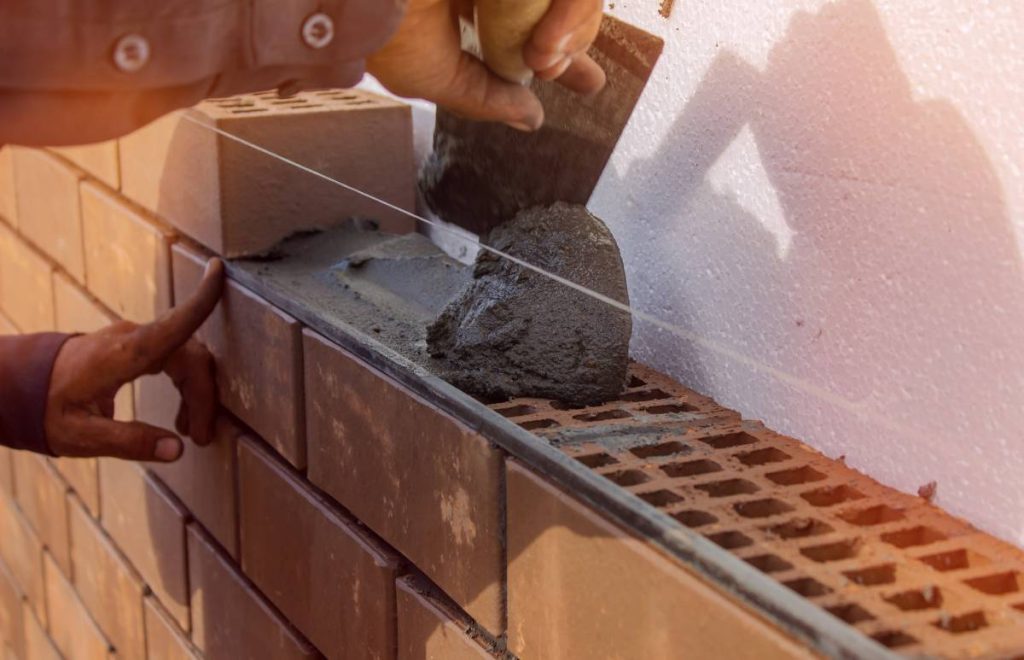
The cost and time commitment
While there is a cost associated with the NVQ bricklaying level 2, it is important to view it as a business expense. In many cases, the increase in your earning potential means the qualification pays for itself within just a few weeks of receiving your Blue Card. There are also sometimes grants available through the CITB for employers who are registered with them, which can significantly offset the cost of the training and assessment.
In terms of time, because it is work-based, it doesn’t ‘take’ time in the traditional sense. It runs alongside your work. You might spend an hour here or there talking to your assessor or organising your photos, but it doesn’t require you to stop earning. The speed at which you finish is largely down to you and the variety of work you are doing on site. If you are working on a project that covers all the required units—such as a large housing development—you can breeze through the requirements quite quickly.
Why now is the best time to start
With the UK’s ongoing housing shortage and major infrastructure projects always on the horizon, the demand for skilled bricklayers is not going away. However, the requirements to get on those sites are only getting stricter. Starting your NVQ now means you won’t be caught out when a big contract comes up that requires all workers to have their Blue Cards. It gives you the peace of mind that you are fully compliant and ready to take on any job that comes your way.

Valerie is a writer specializing in sports charities and community engagement, covering fundraising initiatives and athlete-led social impact projects.